Is Dropshipping Legal in Kuwait? Decree 10/2026 Rules for Dropshippers
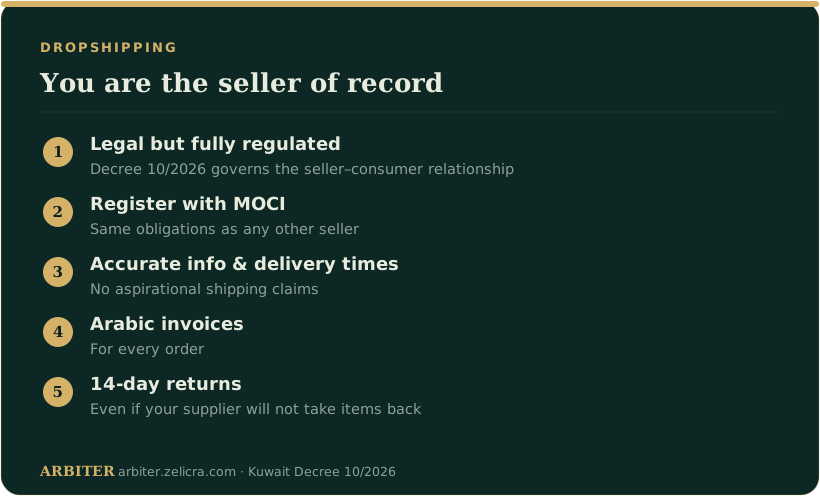
Dropshipping is legal in Kuwait, but fully regulated under Decree 10/2026. As the seller of record, a dropshipper must register with MOCI, issue Arabic invoices, honour the 14-day return right, display accurate product information and delivery times, and keep five-year records — even though a third party ships the goods. Using an overseas supplier does not shift these duties away from you.
Dropshipping is popular in Kuwait because it lets sellers start without holding inventory. But the model creates a specific compliance question: when a third-party supplier ships the product, who is responsible under the law? Decree 10/2026 answers clearly — the seller who takes the customer's order and payment is responsible. This guide explains what dropshippers must do to stay compliant.
Is dropshipping allowed under Decree 10/2026?
Yes. The Decree does not ban dropshipping. It regulates the seller-consumer relationship, which means the person or business that markets the product and collects payment is treated as the responsible seller — regardless of who fulfils the order. You cannot outsource legal responsibility to a supplier abroad.
What dropshippers must do
- Register with MOCI as a digital commerce operator. See the registration guide.
- Display accurate product information — specifications, materials, country of origin, and realistic delivery timelines. Overpromising on shipping is a common dropshipping violation.
- Issue compliant Arabic invoices for each order. See the Arabic invoicing guide.
- Honour the 14-day return right and refund to the original payment method — even if your supplier will not take the item back. See the return policy guide.
- Keep five-year records of orders, communications, returns, and complaints.
The returns problem dropshippers must solve
The 14-day return right is the sharpest edge for dropshippers. Your obligation to accept an eligible return and refund the customer exists independently of your supplier's policy. If your overseas supplier offers no returns, you still owe the customer a compliant refund. Build this cost and process into your pricing and supplier selection from the start, rather than discovering it after a complaint reaches MOCI.
Is Your Dropshipping Store Compliant?
Check your store against all 18 Kuwait requirements — free, five minutes, no signup.
Run the Free Checklist →Delivery-time and advertising accuracy
Because dropshipped goods often ship from abroad, delivery times are longer — and the Decree's honesty-in-advertising rules mean you must state them accurately, not aspirationally. Misleading delivery claims, fake reviews, or images that misrepresent the product are separately punishable under the advertising provisions. See our guide to Kuwait advertising and pricing rules.
Dropshipping remains a viable model in Kuwait — provided you operate as a fully compliant seller of record. For the complete set of obligations, read the Complete Guide to Kuwait Decree 10/2026.
Frequently Asked Questions
Is dropshipping legal in Kuwait?
Yes, but it is fully regulated under Decree 10/2026. The seller who takes the order and payment is the responsible seller of record and must meet all obligations.
Who is responsible for returns in a dropshipping order?
You are. The 14-day return right and refund obligation apply to you as the seller, independent of your supplier's policy, even if the supplier will not accept the item back.
Do dropshippers need to register with MOCI?
Yes. A dropshipper selling to Kuwaiti consumers must register with MOCI, issue Arabic invoices, and keep five-year records like any other seller.
What about long delivery times from overseas suppliers?
You must state delivery times accurately. Misleading delivery claims, fake reviews, or misrepresentative images are separately punishable under the Decree's advertising rules.