Kuwait E-Commerce Cybersecurity & Data Protection Rules
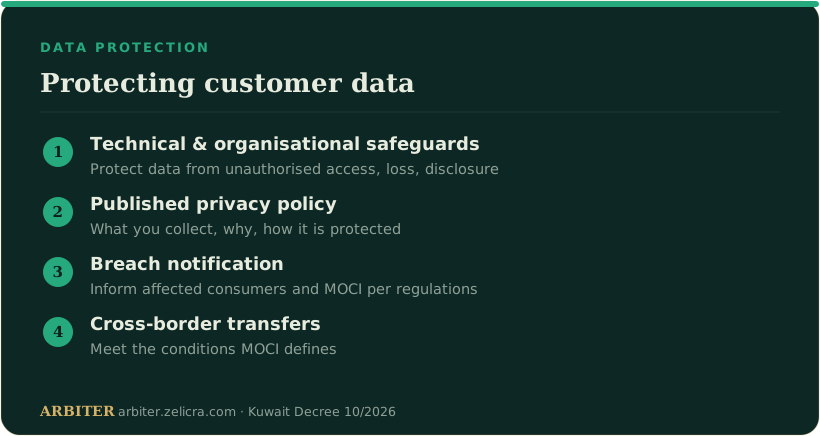
Decree 10/2026 requires Kuwait online sellers to protect customer data with appropriate technical and organisational safeguards, publish a clear privacy policy, and handle any data breach according to notification rules set by MOCI. Personal data must be protected against unauthorised access, loss, or disclosure, and cross-border transfers must meet conditions defined by implementing regulations.
Kuwait's Digital Commerce Law does not treat data security as optional hygiene — it makes it a compliance obligation with real consequences. For sellers used to running a store from a phone, the shift is significant: customer data now has to be actively protected, documented, and governed. This guide explains the cybersecurity and data-protection duties under Decree 10/2026 and how to meet them.
Protecting customer data
Sellers must implement appropriate technical and organisational measures to protect the personal data they collect — names, addresses, contact details, and payment information — from unauthorised access, loss, alteration, or disclosure. The standard is proportionate: a larger operation handling more data is expected to do more, but every seller must take security seriously rather than storing customer information in unprotected spreadsheets or personal chat apps.
Publish a clear privacy policy
A published privacy policy is mandatory. It must explain, in plain terms, what personal data you collect, why, how it is stored and protected, and whether it is shared with third parties. The policy must be accessible from your storefront so consumers can read it before they buy. This pairs with the Decree's transparency theme: buyers should never be surprised by how their data is used.
Handling a data breach
If personal data is compromised, the Decree contemplates breach notification — informing affected consumers and MOCI within a timeframe to be specified by implementing regulations. The practical implication is that you need to be able to detect a breach and respond quickly, which is difficult without basic security controls and an inventory of what data you hold and where.
Check Your Data-Protection Compliance
The free 18-point checker covers privacy, security, and record-keeping together — five minutes, no signup.
Run the Free Checklist →Cross-border data transfers
If you use overseas services — cloud hosting, analytics, or fulfilment partners outside Kuwait — you are transferring personal data across borders. The Decree makes such transfers subject to conditions that MOCI will define in supplementary guidelines. Until those are published, the safe posture is to know exactly which third parties process your customers' data and where it is stored.
How data protection connects to your other obligations
- The five-year record-retention rule means you are holding customer data for years — all of which must be protected for its full life.
- Your terms and conditions and privacy policy must be consistent and accessible before purchase.
- Secure, CBK-compliant payment handling reduces the sensitive data you store directly.
Data protection is one of the 18 obligations that make up full compliance. For the complete picture, read the Complete Guide to Kuwait Decree 10/2026.
Frequently Asked Questions
Does Decree 10/2026 require a privacy policy?
Yes. Sellers must publish a clear privacy policy explaining what personal data is collected, why, how it is protected, and whether it is shared, accessible from the storefront before purchase.
What must I do if customer data is breached?
The Decree contemplates breach notification to affected consumers and MOCI within a timeframe to be set by implementing regulations, so you need the ability to detect and respond to breaches.
Can I use overseas cloud or analytics services?
You can, but doing so is a cross-border transfer of personal data, which the Decree subjects to conditions MOCI will define. Track where Kuwaiti customer data is processed and stored.
What level of security is required?
Appropriate technical and organisational measures, proportionate to the data you handle, to protect against unauthorised access, loss, alteration, or disclosure.